
You worked hard to get that email address. You wrote a decent subject line. You hit send. And a few Getting that email address took real work. Then came a decent subject line, and a send. A few hours later, a handful of people quietly walked out the back door.
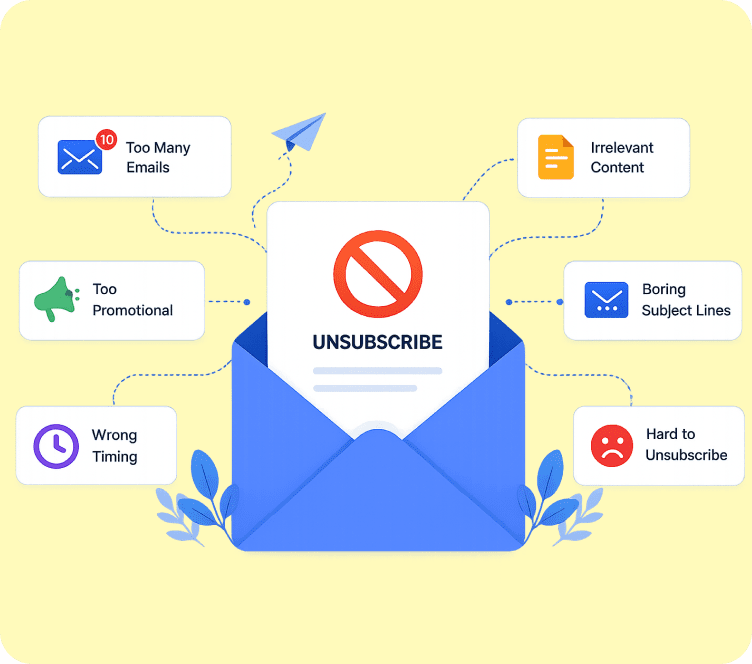
Understanding why subscribers unsubscribe from emails is one of the most useful things any email marketer can look into. Every unsubscribe is a small signal. It tells you something about your list, your content, or your timing. Ignore enough of these signals and your open rates drop. Deliverability suffers too, and even your most engaged subscribers start missing emails that actually matter.
This applies whether you’re running a newsletter, a SaaS product, or an online store. But if you sell on Shopify or WooCommerce, the stakes are a bit higher. Email is usually one of your top two or three revenue channels. Every unsubscribe isn’t just a smaller list, it’s a subscriber who might never see your next restock, sale, or abandoned cart reminder.
The good news is that most unsubscribe reasons are fixable. In this guide, we’ll walk through the seven biggest reasons people leave. Real ecommerce examples come along the way, so you can plug the leaks instead of just watching the numbers.
What Does It Mean When a Subscriber Unsubscribes?
An unsubscribe happens when someone clicks the opt-out link in your email and asks to stop receiving your messages. It’s different from a spam complaint, where someone reports your email instead of just leaving quietly. Both can hurt your email deliverability, meaning how well your emails reach the inbox instead of getting filtered out. A spam complaint does more damage though.
A healthy unsubscribe rate for ecommerce brands sits under 0.5% per campaign. Anything higher, and it’s worth digging into why. Most email marketing tools will show you this number right on your campaign report.
Why Understanding Unsubscribe Reasons Matters for Ecommerce Email Marketing
Every subscriber you lose is someone you already paid to get, through ads, a discount popup, or a giveaway. When they leave, that money spent to get them is gone too. This is exactly why ecommerce email marketing needs a different playbook than a general newsletter. The cost of losing a subscriber is tied directly to lost sales, not just a smaller audience.
For Shopify email marketing and WooCommerce email marketing specifically, email is usually one of the top two or three revenue channels. It sits right behind paid ads or organic search. A rising number of unsubscribes is often the first sign that something in your strategy needs a second look. It could be poor targeting, too much frequency, or sending the same email to your whole list instead of the right group.
Tracking why subscribers unsubscribe from emails isn’t just a number to glance at. It’s about protecting the channel that quietly drives a big chunk of your repeat revenue.
Top 7 Reasons Why Subscribers Unsubscribe From Your Email List
These are the patterns that come up most often in ecommerce email marketing, across Shopify, WooCommerce, and everything in between.
1. You’re Emailing Too Often
This is consistently the number one reason people leave email lists, and ecommerce brands are especially guilty of it. Flash sale today, restock tomorrow, “last chance” the day after, then a newsletter on top of all that.
Ecommerce example: A Shopify apparel store sends five to seven promotional emails a week during a sale season. Open rates drop steadily through the week, and unsubscribes spike every Friday, right after the third discount email in a row.
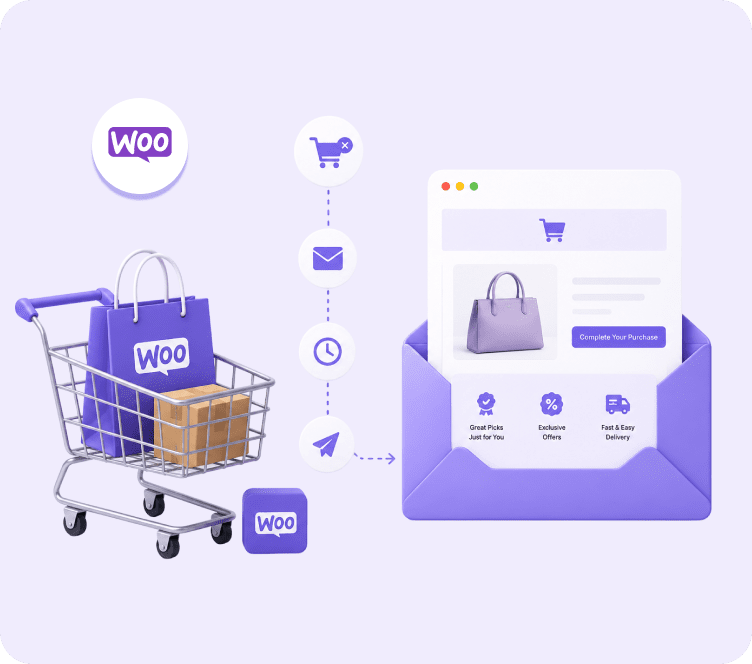
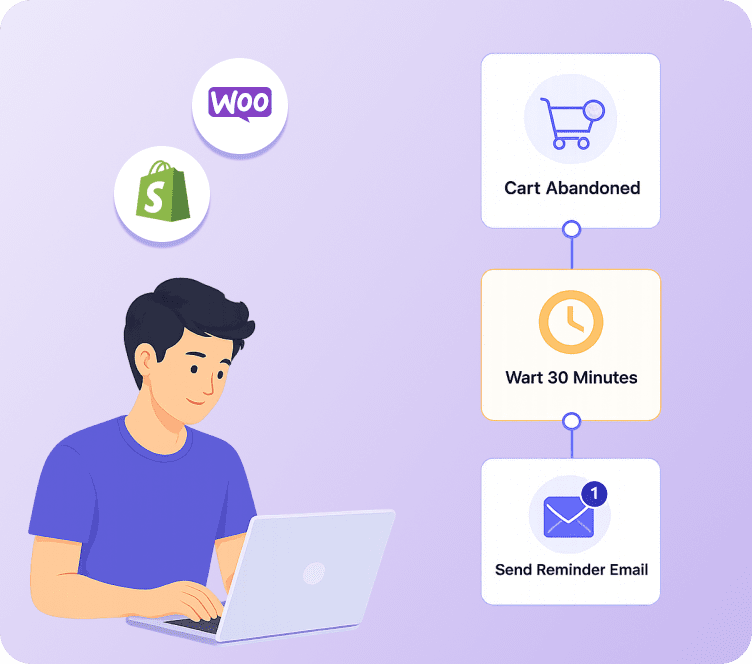
The fix: Set a sending schedule and stick to it. Most online stores do well with two to four promotional emails a week. Add automated emails on top, like abandoned cart emails, a welcome series, and post-purchase emails. These don’t count against your promotional total, since they go out based on what a customer does, not a fixed calendar.
2. The Emails Aren’t Relevant to Them
Sending the same email to your entire list, regardless of what someone actually bought or browsed, is one of the fastest ways to push people to leave your list. A customer who bought running shoes doesn’t want three emails about winter coats.
WooCommerce example: A WooCommerce home goods store sends the same weekly newsletter to everyone on the list. Customers who only ever bought kitchenware start unsubscribing because they keep getting promoted to furniture, which they never browsed.
The fix: This is where email segmentation earns its keep. Group your list by purchase history, browsing behavior, or product category. Send targeted campaigns instead of one blast to everyone. Good email marketing software should let you build these groups without needing a developer. Pair that with some personalization, like using a customer’s name or their last purchased product, and emails feel less like a mass blast.
Adflipr’s contact management tools handle this natively. If you want the full breakdown, our guide on email marketing segmentation covers exactly how to set it up for Shopify and WooCommerce.
3. They Never Really Wanted to Subscribe in the First Place
Sometimes the unsubscribe has nothing to do with your content. If someone was added to your list through a purchase, a contest, or a pre-checked box at checkout, they may not remember opting in at all.
Ecommerce example: A Shopify store auto-subscribes every checkout customer to marketing emails by default. A chunk of buyers who only wanted a receipt end up unsubscribing from the very first promotional email they receive.
The fix: Use clear opt-in language at checkout and during signup, so people know exactly what they’re agreeing to. Add a confirmation step, often called double opt-in, for newsletter signups (not needed for order-related emails). This filters out people who aren’t genuinely interested, keeping your list smaller but far more engaged. It also keeps you on the right side of rules like CAN-SPAM and GDPR, which require clear consent before you email someone.
4. The Content Feels Repetitive or Purely Promotional
If every single email is “Buy now” with a discount code, subscribers eventually tune out or leave. People subscribe expecting some mix of value: tips, new arrivals, behind-the-scenes content, not just constant sales pressure.
Ecommerce example: A skincare brand’s last twelve emails were all discount-driven. Subscribers who wanted product education or usage tips unsubscribe, commenting in survey responses that the brand “only ever emails to sell.”
The fix: Mix your calendar. Rotate promotional emails with educational content, restock alerts, customer stories, or loyalty program updates. A rough 80/20 or 70/30 split (value content vs. hard promotions) works well for most stores.
5. Deceptive or Clickbait Subject Lines
Subject lines that promise something the email doesn’t deliver, like fake urgency, misleading discounts, or exaggerated claims, build short-term opens and long-term distrust. Once a subscriber feels tricked once or twice, they leave.
Ecommerce example: A store uses “Your order has a problem” as a subject line for what turns out to be a regular promotional email. The unsubscribe and spam complaint rate for that single campaign is triple the store’s average. Repeated complaints like this can also hurt inbox placement for every email that follows. If your emails are landing in spam more than usual, our guide on why emails go to spam walks through the common causes and fixes.
The fix: Write honest subject lines that reflect the actual content. Curiosity and urgency still work when they’re genuine, a real 24-hour flash sale, a real low-stock alert. But fake urgency breaks trust fast, and once that happens, subscribers stop clicking and start unsubscribing.
6. Poor Timing or Bad Email List Hygiene
Emailing people who haven’t engaged in six months, or sending campaigns at odd hours when your audience isn’t checking their inbox, quietly pushes more people to leave over time. So does never cleaning your list of cold, inactive subscribers who forgot they signed up.
WooCommerce example: A WooCommerce store hasn’t sent a single email in eight months, then suddenly resumes weekly sending. A large chunk of the list forgot they ever subscribed and unsubscribes within the first two campaigns.
The fix: Keep sending consistently instead of going silent for long stretches. Run a re-engagement campaign for subscribers who haven’t opened anything in 90 to 120 days, and stop emailing the ones who still don’t respond. This is basic email list hygiene. It protects your deliverability, keeps your open rate and click-through rate healthier, and keeps fewer people opting out going forward.
7. Too Many Emails After Purchase (Post-Purchase Fatigue)
This one is specific to ecommerce and rarely gets covered by generic email marketing content. A customer buys once, then gets flooded with upsell emails, review requests, and cross-sell campaigns. Loyalty program invites often pile on too, all within a week or two of their order. This is called email fatigue. It’s a fast way to lose a first-time buyer before they ever become a repeat customer.
Shopify example: A Shopify beauty brand sends a shipping update, a review request, an upsell email, and a “you might also like” campaign, all within five days of a single order. Post-purchase opt-outs for first-time buyers run nearly double the store average.
The fix: Space out your post-purchase emails the same way you’d space out abandoned cart emails, with a gap between each one instead of firing them all at once. Let order-related emails (confirmation, shipping updates) stand on their own. Wait at least a few days before sending a review request or cross-sell email. Good email automation should sequence these with proper spacing. Post-purchase timing has a direct effect on customer retention, whether that first buyer sticks around for a second order or not.
Real Revenue Impact: A Quick Example
Say your Shopify store has 20,000 subscribers and your average unsubscribe rate is 0.8% per campaign, sending three campaigns a week. That’s roughly 480 unsubscribes a week, or close to 25,000 a year, on a list that started at 20,000.
If even 10% of those unsubscribed subscribers would have converted at your average order value over a year, that’s real revenue walking away. Not because your product was wrong, but because your email strategy pushed people out. This is why cutting down on unsubscribes isn’t a nice-to-have. It directly protects revenue.
Best Practices to Reduce Unsubscribe Rate
- Segment your list by purchase behavior, not just demographics.
- Set a clear sending cadence and stick to it.
- Space out post-purchase automation instead of sending everything at once.
- Use a preference center so subscribers can choose email frequency instead of leaving entirely.
- Write honest, specific subject lines.
- Run regular re-engagement campaigns before subscribers go cold.
- Review your unsubscribe reason data monthly and act on patterns, not one-off complaints.
Common Mistakes to Avoid
- Treating every unsubscribe as a loss. Some unsubscribes are healthy. A cleaner, more engaged list improves deliverability even if it’s smaller.
- Ignoring the unsubscribe survey. If your email marketing software lets subscribers leave a reason, actually read them. The patterns tell you what to fix.
- Sending the same email to your whole list every time. This is the single biggest driver of high opt-out numbers for ecommerce stores.
- Going silent, then sending a flood of emails at once. Consistency matters more than volume.
- Making it hard to unsubscribe. Hiding the unsubscribe link or requiring multiple steps leads to spam complaints instead, which hurt you far more.
How Adflipr Helps Reduce Unsubscribe Rate for Shopify and WooCommerce Stores
Adflipr is built specifically for Shopify email marketing and WooCommerce email marketing, not as a generic email marketing tool retrofitted for ecommerce. A few ways it directly addresses the reasons covered above:
- Behavior-based segmentation so you’re not blasting your entire list with irrelevant campaigns.
- Abandoned cart emails and post-purchase automation with proper spacing, so new customers aren’t overwhelmed right after checkout.
- Active contact billing, so you’re only paying for subscribers who are actually engaged, which naturally pushes you toward cleaner list hygiene.
- Revenue-focused reporting, so you can see which campaigns drive unsubscribes versus which drive sales.
None of this replaces good judgment about what and when to email your list, but the right platform makes it much easier to act on the reasons subscribers leave instead of just watching the number climb.
Conclusion
Knowing why subscribers unsubscribe from emails turns a frustrating number into something useful you can act on. Most of the time, it comes down to frequency, relevance, or timing, all things you can adjust without slowing down your sales.
Key Takeaways
- Sending too often is still the number one reason subscribers leave, cap promotional emails and let automated flows run on their own trigger.
- Relevance beats volume. Segment your list by purchase behavior instead of blasting everyone with the same email.
- Not every unsubscribe is a loss. Some, like someone who never really opted in, clean up your list and improve deliverability.
- Honest subject lines protect long-term trust, manufactured urgency costs you more unsubscribes and spam complaints than it earns in opens.
- Post-purchase timing matters as much as content. Space out order-related emails so new customers aren’t overwhelmed right after checkout.
- Track your unsubscribe rate monthly, not just after a bad campaign, so you catch patterns early instead of reacting late.
That combination does more to protect your revenue than any single fix on its own.
If you’re ready to cut down on unsubscribes with segmentation and automation built for Shopify and WooCommerce, Adflipr can help you set it up without overhauling your entire email strategy overnight.
FAQs
What is a good unsubscribe rate for ecommerce email marketing?
A healthy rate for ecommerce stores is generally under 0.5% per campaign. Numbers between 0.5% and 1% are worth monitoring. Anything consistently above 1% usually points to a frequency, relevance, or list hygiene problem that needs attention.
Why do subscribers unsubscribe from emails even if they like the brand?
Subscribers often unsubscribe from emails not because they dislike the brand, but because of email frequency, irrelevant content, or inbox overload in general. Many people unsubscribe from a brand they still buy from simply to reduce the number of emails they receive daily.
How can I reduce unsubscribe rate on Shopify?
On Shopify, you can cut down on unsubscribes by segmenting customers based on purchase history and spacing out post-purchase emails. Use clear opt-in language at checkout, and send targeted campaigns instead of one blast to your entire list.
Is reducing unsubscribe rate worth prioritizing for WooCommerce stores?
Yes. WooCommerce stores often see more people opting out when marketing emails aren’t clearly separated from order-related ones. Many WooCommerce setups mix the two by default. Fixing that separation alone usually lowers unsubscribes noticeably.
Should I worry if my unsubscribe rate spikes after one campaign?
A single spike usually points to that specific campaign, maybe a misleading subject line or a mistimed send, rather than a bigger, ongoing problem. Check the unsubscribe reason data for that campaign before making broader changes to your strategy.
Can a preference center help reduce unsubscribe rate?
Yes. A preference center lets subscribers choose to receive fewer emails instead of leaving your list completely. Many subscribers who would otherwise unsubscribe will opt for reduced frequency if given the choice, which keeps them on your list.
How does post-purchase email timing affect unsubscribe rate?
Sending too many emails right after a purchase, shipping updates, review requests, and upsells all within days of each other, is a major driver of post-purchase unsubscribes. Spacing these emails out over one to two weeks reduces fatigue and keeps new customers engaged.
Is reducing unsubscribe rate more important than growing my list?
Both matter, but a smaller, engaged list generally outperforms a large, disengaged one in terms of deliverability, open rates, and revenue per email sent. Focusing on cutting down unsubscribes alongside list growth leads to healthier long-term email performance.