
Every store owner hits this question sooner or later. You are spending money on ads, your store is getting traffic, but growth still feels slow and expensive. So you start asking, should I put more budget into getting new customers, or should I focus on making my current customers buy again?
That is really the whole debate around customer retention vs customer acquisition. It is not a trick question, and it does not have one universal answer. The right choice depends on where your store is right now in the customer journey, how much it costs you to win a customer, and how much that customer is worth over time.
In this guide, we will break this down in plain language. No jargon, no vague advice. Just real numbers, real examples from Shopify and WooCommerce stores, and a simple way to decide where your next dollar should go.
What Is Customer Acquisition?
Customer acquisition is the process of getting a brand new person to buy from your store for the first time. It covers every step someone takes, from the moment they see your ad or post, to the moment they complete checkout. Marketers sometimes call this whole journey the sales funnel, but really it just means the path a stranger takes to become a paying customer.
Common acquisition channels for ecommerce brands include:
- Paid social ads (Meta, TikTok, Pinterest)
- Google Shopping and search ads
- Influencer partnerships
- SEO and organic content
- Affiliate marketing
Why Acquisition Still Matters
You cannot retain a customer you never had. Every store, even a ten year old brand, needs a steady stream of new buyers to replace natural churn and fund future growth. New customer acquisition is especially important in the first 12 to 18 months of a store’s life, when you simply do not have enough repeat buyers yet to sustain revenue.
The catch is cost. Paid acquisition channels have gotten more expensive every year, and a lot of stores are now spending more to get a customer than that customer spends on their first order.
What Is Customer Retention?
Customer retention is everything you do to keep existing customers buying from you again and build genuine customer loyalty over time. It is measured by how many of your past buyers come back and place a second, third, or tenth order.
Retention activities include:
- Post purchase email flows
- Loyalty and rewards programs
- Personalized product recommendations
- Win back campaigns for inactive customers
- Great customer service and fast shipping
Why Retention Matters More Than Most Stores Realize
Retention is where profit actually lives. A first order often barely covers your acquisition cost once you count ad spend, discounts, and shipping. The second, third, and fourth orders from that same customer are where margin shows up, because you are not paying to acquire them again.
Staying in touch with customers after checkout, through helpful emails and texts, is what actually drives that second and third order. This is often called customer engagement. This is exactly why the customer retention vs customer acquisition conversation has shifted in the last few years. More ecommerce founders now treat retention, and a healthy repeat purchase rate, as a real growth channel, not just a nice to have.
Customer Retention vs Customer Acquisition: The Real Cost Difference
This is the part most articles skip. Let’s put actual numbers on the table.
| Factor | Customer Acquisition | Customer Retention |
|---|---|---|
| Average cost | 5 to 7 times higher | Significantly lower per customer |
| Main metric | Customer Acquisition Cost (CAC) | Customer Lifetime Value (CLV) and repeat purchase rate |
| Success rate | 5 to 20% conversion on cold traffic | 60 to 70% chance an existing customer buys again |
| Main channels | Paid ads, influencers, SEO | Email, SMS, loyalty programs |
| Time to see results | Fast, but expensive | Slower to build, cheaper to sustain |
| Revenue impact | Brings in new revenue | Increases order frequency and average order value |
How to Calculate Customer Acquisition Cost (CAC)
CAC is simple math. Take your total marketing and sales spend for a period, then divide it by the number of new customers you got in that same period.
CAC = Total acquisition spend ÷ Number of new customers
If you spent 5,000 dollars on ads last month and gained 100 new customers, your CAC is 50 dollars per customer.
How to Calculate Customer Lifetime Value (CLV)
CLV tells you how much a customer is worth across their entire relationship with your store, not just the first order.
CLV = Average order value x Number of repeat purchases x Average customer lifespan
If your average order is 60 dollars, a customer buys 4 times a year, and stays a customer for 2 years, their CLV is 480 dollars.
Now compare that to a 50 dollar CAC. Suddenly the math is clear. If your CLV is nowhere near your CAC, retention is not optional, it is the fix.
Why Ecommerce Brands Get This Balance Wrong
Most stores do not fail because they picked the wrong channel. They fail because they only look at one side of the equation.
Common patterns we see:
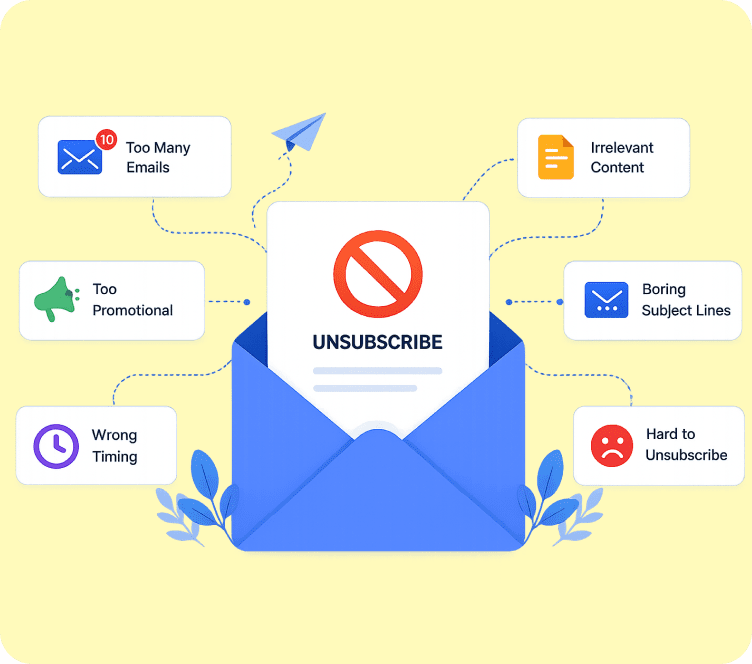
- All budget goes into ads, none into retention. The store keeps buying new traffic while old customers quietly stop coming back.
- No tracking of repeat customer rate. If you do not know this number, you cannot tell if retention is even working.
- Retention treated as an afterthought. A single generic newsletter is not a retention strategy, and it does very little to build real customer loyalty.
- No post purchase communication. The first email a customer gets after checkout is often the most important one, and many stores skip it entirely.
How to Decide Where to Focus: A Simple Framework Based on Your Store’s Stage
There is no single right answer for every store. Here is a practical way to think about it based on where your business actually is.
New Store (0 to 12 Months)
At this stage, you likely do not have enough repeat buyers to build retention flows around yet. Focus most of your energy on customer acquisition strategies that bring qualified traffic, while setting up the basic retention foundation (welcome series, post purchase flow) from day one so it is ready as customers come in.
Growth Stage (12 to 36 Months)
This is usually when the customer retention vs customer acquisition question gets real. You have some purchase history to work with. This is the point to start segmenting customers, launching abandoned cart flows, and building win back campaigns for anyone who has not ordered in 60 or 90 days.
Mature Store (3+ Years)
At this stage, a large share of revenue should be coming from repeat customers. If it is not, that is a signal your retention systems are underbuilt. Mature stores get the best return by shifting a bigger share of budget toward retention, loyalty, and lifecycle email, while keeping acquisition steady rather than aggressive.
Ecommerce Customer Retention Strategies That Actually Work
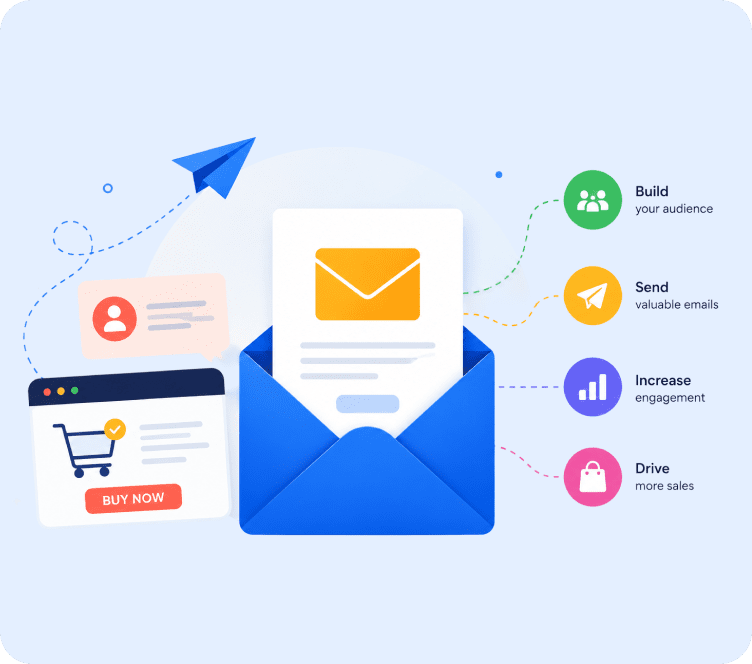
Here are retention tactics that consistently move the needle for both Shopify and WooCommerce stores. Most of them lean on email marketing for customer retention, since it is the one channel every store already owns and controls, no ad platform in between.
For Shopify Stores
Shopify stores have a natural advantage for Shopify customer retention, because customer and order data syncs cleanly with marketing tools. A Shopify store can set up:
- A welcome series triggered the moment someone signs up
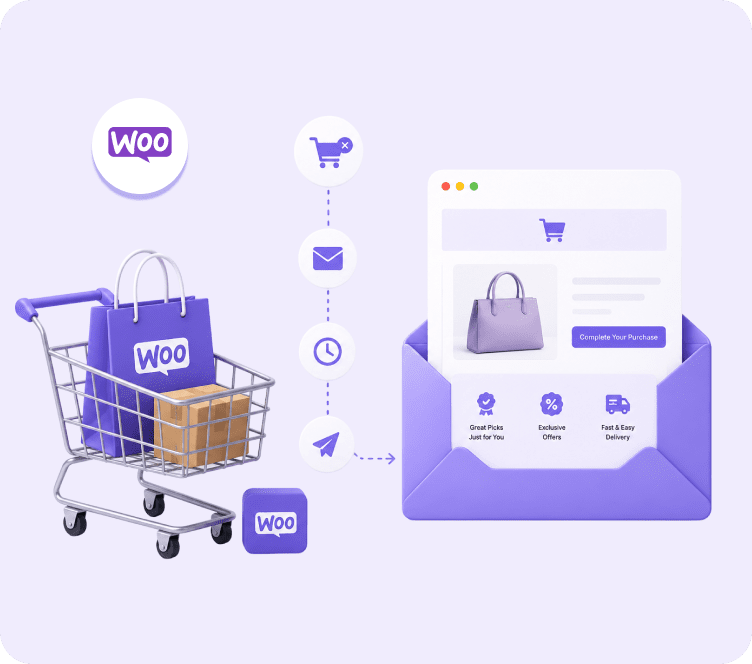
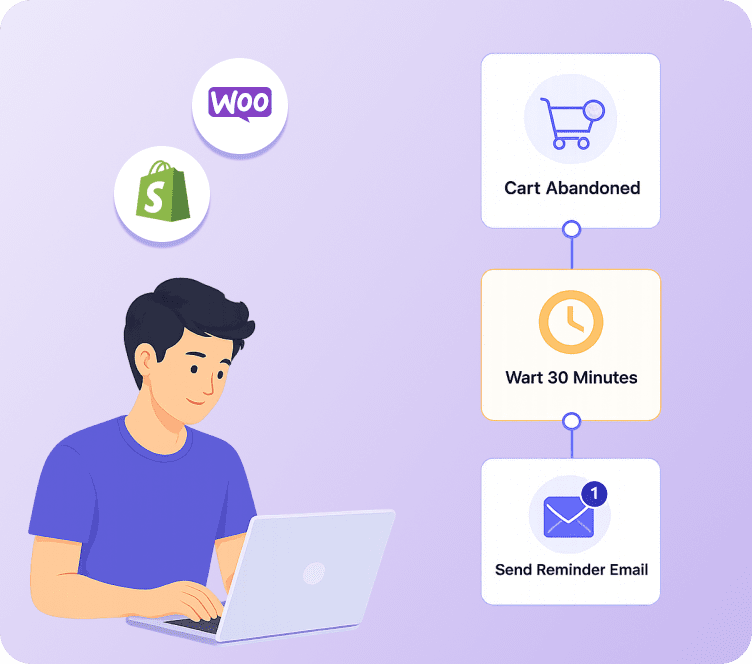
- Cart abandonment sequences timed to when Shopify shoppers are most likely to return
- Post purchase flows that recommend related products based on what was just bought
- Win back campaigns based on last order date
Tools like Adflipr’s Shopify email marketing integration connect directly to your store, pulling in customer and order data automatically so these flows can run without manual work, which is really the foundation of solid Shopify customer retention over time.
For WooCommerce Stores
WooCommerce stores often need a bit more setup since the platform is more flexible, but the fundamentals of WooCommerce customer retention are the same. Strong retention plays for this platform include:
- Syncing customer purchase history so you can segment by what people actually bought
- Sending replenishment reminders for consumable products
- Automating post purchase review requests
- Building loyalty offers for customers above a certain lifetime spend
Adflipr’s WooCommerce email marketing automation connects directly to your store so customer and order data updates in real time, which makes segmentation and personalized retention emails far easier to run without extra development work, giving WooCommerce customer retention the same automation advantage Shopify stores get natively.
Customer Acquisition Strategies Worth Pairing With Retention
Retention works best when it is paired with smart acquisition, not instead of it. A few acquisition strategies that pair well with strong retention systems:
- Referral programs. When happy customers refer friends, this is called word of mouth. It usually costs less than cold ads and builds brand loyalty at the same time.
- Retargeting past visitors. Cheaper than cold prospecting and often converts warm traffic into first time buyers.
- Owned channels first. Building an email and SMS list from day one means every future campaign costs less than paid acquisition.
- Content and SEO. Slower to build, but it keeps bringing in new visitors without ongoing ad spend. Paid ads stop the moment you stop paying, but content keeps working in the background.
Real Example: Turning a One Time Buyer Into a Repeat Customer
Here is a simple, realistic scenario that shows why this balance matters.
A Shopify home goods store spends 40 dollars in ads to acquire a customer who places a 65 dollar first order. After payment processing and shipping, that first sale barely breaks even. On its own, this looks like a losing channel.
But the store has an abandoned cart recovery flow and a post purchase email sequence running through Adflipr’s cart abandonment automation. Over the next 12 months, that same customer returns three more times, spending 210 dollars in additional revenue with no extra acquisition cost attached.
This is the same pattern smaller Shopify sellers report after setting up recovery and engagement flows. One Shopify merchant running a home decor brand mentioned that after improving what happens right after checkout, they saw noticeably better engagement. They also recovered a meaningful share of abandoned checkouts, without spending more on ads. Happy repeat customers like these often tell their friends too, and that word of mouth brings in new buyers at no extra cost. This is the entire point of the customer retention vs customer acquisition equation. The first order can break even. The relationship after that is where profit comes from.
Best Practices for Balancing Retention and Acquisition
- Track CAC and CLV side by side every month, not just once a year
- Set up a welcome flow and a strong post-purchase experience before you scale ad spend
- Segment customers by purchase behavior, not just demographics
- Use abandoned cart and browse abandonment flows as your baseline retention layer
- Reinvest a portion of retention driven revenue back into acquisition, since it costs less to generate
- Review repeat customer rate monthly as a core growth metric, not a vanity number
- Map out the full customer journey, meaning every step a buyer takes with your brand, and set up an automated email for each stage, from first visit to loyal repeat buyer
Common Mistakes to Avoid
- Ignoring retention until acquisition costs spike. By then you have already lost months of repeat revenue.
- Treating email as an afterthought. A single monthly newsletter does not build real customer engagement or lasting brand loyalty.
- Not segmenting customers. Sending the same message to a first time buyer and a five time repeat customer wastes both audiences.
- Chasing new customers while ignoring churn. If customers are leaving as fast as you bring new ones in, you are running in place.
- Using a generic email tool not built for ecommerce. Store data, purchase history, and cart behavior need to sync automatically, or your retention flows will always lag behind reality.
Key Takeaways
The customer retention vs customer acquisition debate is not really about picking a side. New stores need acquisition to get off the ground. Growing and mature stores need retention to make that growth profitable. The real skill is knowing which one deserves more of your attention right now, based on your CAC, your CLV, and your repeat customer rate.
Start by getting your numbers straight, then build retention flows that run automatically instead of manually. If you are running a Shopify or WooCommerce store and want a platform built specifically to manage both sides of this, from syncing customer and order data automatically to running abandoned cart and post purchase flows without manual work, Adflipr is built for exactly this kind of ecommerce growth. You can also read our complete Shopify email marketing guide for a deeper walkthrough of setting up these flows step by step.
FAQs
What is the difference between customer retention and customer acquisition?
Customer acquisition is the process of getting a new person to buy from your store for the first time, usually through ads, SEO, or influencer marketing. Customer retention is what you do afterward to get that same person to buy again. Acquisition grows your customer base, while retention grows the value of the customers you already have.
Is customer retention or customer acquisition more important for ecommerce?
Both matter, but at different stages. New stores need acquisition to build an initial customer base. Once a store has enough order history, retention usually delivers a better return because it costs less than acquiring a brand new customer and it directly increases customer lifetime value.
How much cheaper is customer retention compared to customer acquisition?
Retaining an existing customer typically costs 5 to 7 times less than acquiring a new one. This is because retention relies on channels you already own, like email and SMS, instead of paying for ad placements or influencer deals every time you want a sale.
What is a good repeat customer rate for a Shopify or WooCommerce store?
This varies by industry, but many healthy ecommerce stores see 20 to 30% of their revenue coming from repeat customers. If your store is well below that, it is usually a sign that retention flows like post purchase and win back emails are missing or underused.
Is customer retention vs customer acquisition a good way to decide marketing budget?
Yes, when you pair it with your actual CAC and CLV numbers. If your CAC is close to or higher than your first order value, that is a signal to shift budget toward retention. If your CLV comfortably covers your CAC with room to spare, you likely have space to keep investing in acquisition.
What mistakes should I avoid when balancing retention and acquisition?
The biggest mistake is ignoring one side completely. Stores that only chase new customers often see rising CAC with no repeat revenue to offset it. Stores that only focus on retention without any acquisition eventually run out of new customers to retain. Track both, and treat retention flows as automated systems, not manual, occasional campaigns.
Does email marketing help more with retention or acquisition?
Email is primarily a retention channel since it works best with people who already know your brand, such as past buyers, cart abandoners, and subscribers. That said, email also supports acquisition indirectly through referral programs and by nurturing new subscribers who have not purchased yet.
Is this useful for both Shopify and WooCommerce stores?
Yes. The core idea behind customer retention vs customer acquisition applies to any ecommerce platform. The main difference is implementation. Shopify stores usually have cleaner native data syncing, while WooCommerce stores may need a connected tool to sync customer and order data automatically for segmentation and automated flows.