
If you run a Shopify or WooCommerce store, you already know the feeling. Someone adds a product to their cart, gets all the way to checkout, and then just disappears. No order. No email. Nothing.
This is one of the most frustrating problems in ecommerce, and it brings up an important question: should you fix your checkout, or should you focus on recovering the carts you already lost? This is where the debate of cart recovery vs checkout optimization comes in, and most store owners get confused about which one actually deserves more attention. A solid email marketing strategy plays a big role in solving this, since most cart recovery happens through email first.
The short answer is this: checkout optimization helps reduce future drop offs, but cart recovery brings back the money you have already lost today. Both matter, but if you are looking for faster, more direct revenue, cart recovery usually wins.
In this guide, we will break down both strategies in simple language, show you real Shopify and WooCommerce examples, and help you build a system that actually recovers lost sales instead of just hoping fewer people leave next time.
What Is Cart Recovery vs Checkout Optimization?
Before going deeper, let’s answer this clearly, since this is exactly what shoppers and AI search tools want to know first.
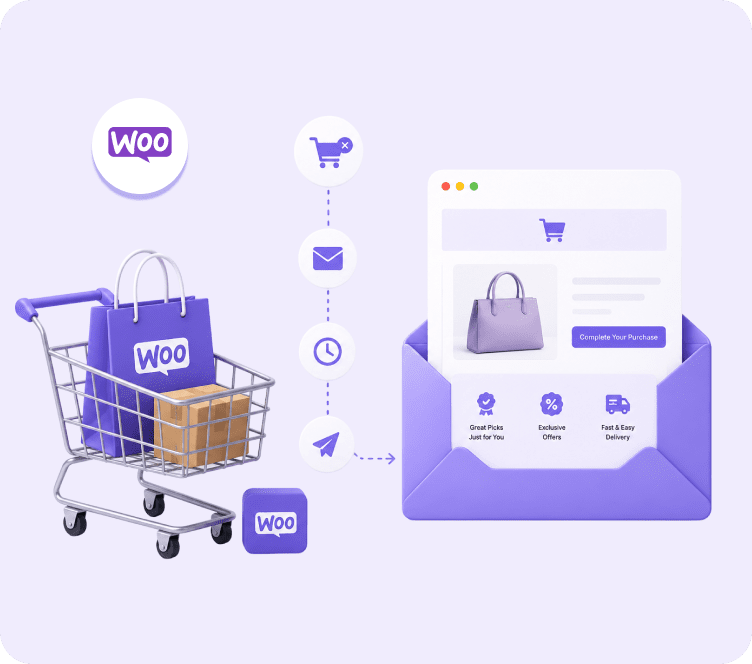
Cart recovery is the process of reaching out to customers who added items to their cart but left without completing the purchase. This usually happens through automated emails, SMS, or push notifications that remind the shopper to come back and finish their order.
Checkout optimization is the process of improving the actual checkout page and flow so fewer customers abandon their cart in the first place. This includes things like reducing form fields, adding trust badges, offering more payment options, and speeding up page load time.
In simple words:
- Checkout optimization tries to prevent cart abandonment.
- Cart recovery tries to fix cart abandonment after it already happened.
Both strategies aim to lower your cart abandonment rate, but they work at two completely different stages of the customer journey.
Why This Comparison Matters for Your Revenue
On average, around 70 percent of ecommerce shoppers leave without completing their purchase. That means out of every 10 people who add something to their cart, only 3 actually complete the purchase.
That is a massive amount of lost revenue sitting right there, untouched.
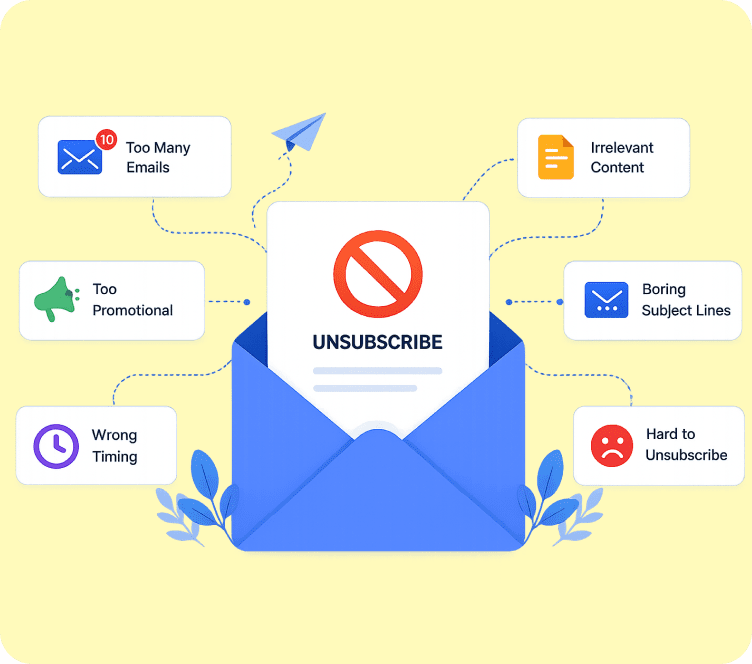
Here is the part most store owners miss. You cannot fix every reason someone abandons a cart. Some people are just browsing. Some get distracted. Some are comparing prices on another tab. No amount of checkout optimization will fix human behavior like that.
This is exactly why cart recovery exists. It does not try to control the reason someone left. It simply brings them back with the right message, at the right time, through email or SMS. If you want to understand the numbers in more depth, our guide on why customers abandon their cart in ecommerce breaks down the most common reasons store owners overlook.
So when store owners ask “should I optimize checkout or focus on cart recovery first,” the honest answer based on real ecommerce data is this: start with cart recovery, because it recovers revenue you already earned the right to capture. Then layer checkout optimization on top to reduce future abandonment.
How Cart Recovery Works (Step by Step)
Cart recovery is simpler to set up than most store owners think, especially with the right ecommerce email marketing tool.
Step 1: Track abandoned carts Your store platform, whether Shopify or WooCommerce, tracks when a customer adds items to their cart and leaves without checking out.
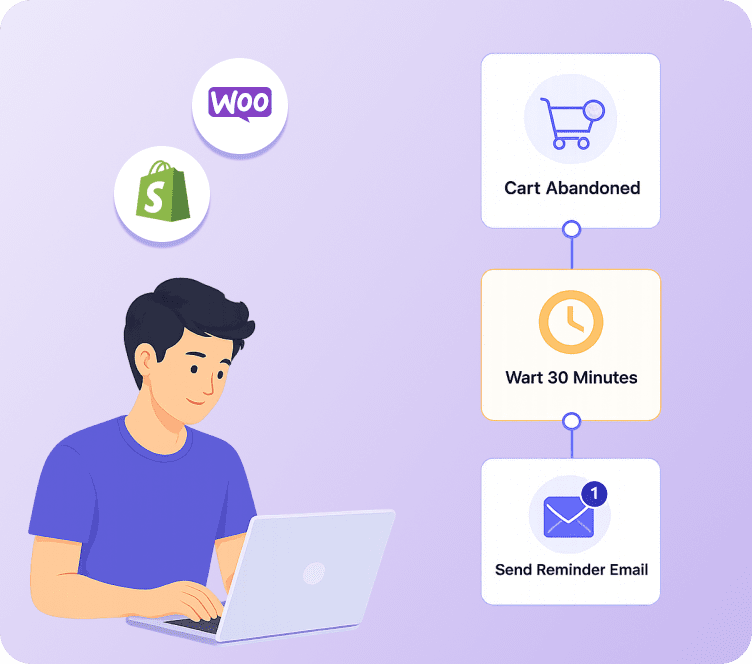
Step 2: Trigger an automated email sequence A platform like Adflipr automatically sends a sequence of recovery emails through email automation, usually:
- First email within 1 hour of abandonment
- Second email within 24 hours
- Third email with a small incentive after 48 hours
Step 3: Personalize the message The email should show the exact product left in the cart, the price, and a clear call to action button like “Complete Your Order.”
Step 4: Add urgency or incentive A small discount, free shipping offer, or limited stock message can push hesitant shoppers to come back and complete checkout.
Step 5: Track recovered revenue Good tools show you exactly how much revenue came back from cart recovery emails, so you can measure real ROI. For a deeper breakdown of timing and sequencing, check out our post on building the perfect abandoned cart email sequence.
Shopify Example
A Shopify skincare brand sets up a 3 email recovery flow through Adflipr. The first email reminds the customer what they left behind. The second email adds a testimonial about the product. The third email offers 10 percent off if they complete the order in the next 24 hours. This single flow recovers close to 12 percent of abandoned carts every month.
WooCommerce Example
A WooCommerce furniture store uses Adflipr to track abandoned checkouts. Since furniture has a higher price point, the recovery email focuses on reassurance, free returns, and a direct link back to the saved cart instead of a discount. This builds trust instead of training customers to wait for deals.
How Checkout Optimization Works (Step by Step)
Checkout optimization focuses on removing friction from the buying process itself.
Step 1: Audit your checkout flow Count how many steps and form fields a customer has to complete before paying.
Step 2: Reduce unnecessary steps Combine shipping and billing into fewer pages. Remove fields you do not actually need, like a phone number if it is not required for shipping updates.
Step 3: Add trust signals Security badges, clear return policy, and visible customer reviews near the payment button can reduce last minute hesitation.
Step 4: Offer multiple payment options Support for popular wallets, buy now pay later options, and local payment methods can reduce drop off, especially for international customers.
Step 5: Improve page speed A slow checkout page is one of the most common silent killers of conversion rate. Even a 2 second delay can cause noticeable drop off.
Shopify Example
A Shopify apparel store removes the account creation requirement and allows guest checkout. This one change alone increases checkout completion by reducing friction for first time buyers.
WooCommerce Example
A WooCommerce electronics store adds a one page checkout plugin instead of the default multi page flow, cutting checkout steps from 4 pages to 1. Combined with added trust badges, abandonment drops slightly over time.
Side by Side Comparison: Cart Recovery and Checkout Optimization
| Factor | Cart Recovery | Checkout Optimization |
|---|---|---|
| When it works | After cart abandonment happens | Before cart abandonment happens |
| Speed of revenue impact | Fast, within days | Slower, builds up over weeks or months |
| Setup effort | Low to medium, mostly automation based | Medium to high, often needs design or dev work |
| Cost | Usually included in email marketing tools like Adflipr | May require separate apps or developer time |
| Best for | Recovering lost sales immediately | Reducing future cart abandonment |
| Personalization | High, based on exact cart contents | Limited, applies to all shoppers equally |
| Shopify fit | Very strong with native cart tracking | Strong with checkout extensibility apps |
| WooCommerce fit | Very strong with plugin based tracking | Strong but more technical to customize |
This table makes it clear. Cart recovery and checkout optimization are not competitors. They are partners working at two different points in the funnel. Whether you are setting up Shopify cart recovery or WooCommerce cart recovery, both stores benefit from running these strategies side by side. But if you only have time or budget for one right now, cart recovery typically delivers faster, more measurable revenue.
Why Cart Recovery Often Wins for Revenue First
Here is the honest, practical reason most ecommerce marketers prioritize cart recovery first.
Checkout optimization is an ongoing experiment. You test, you measure, you adjust, and results take time to show up. It is important long term work, but it does not put money back into your account this week.
Cart recovery, on the other hand, targets people who already showed strong buying intent. These are not cold leads. These are shoppers who picked a product, added it to their cart, and almost bought it. A well timed email or SMS is often all it takes to bring them back.
This is why platforms like Adflipr are built specifically around ecommerce automation, including abandoned cart recovery, post purchase flows, and customer segmentation, so Shopify and WooCommerce store owners can start recovering lost revenue without needing a developer or a redesign project.
Cart Abandonment Statistics Every Store Owner Should Know
Numbers help put this comparison into perspective, and they explain exactly why cart recovery tends to deliver faster results.
According to research from the Baymard Institute, on average just over 70 percent of shopping carts are abandoned across industries, and mobile shoppers abandon even more often than desktop shoppers. That same research points to a few repeat offenders behind most lost sales:
- Unexpected extra costs like shipping and taxes, the single biggest reason shoppers leave
- Being forced to create an account before checking out
- A checkout process that feels too long or too complicated
- Not trusting the site with payment details
- Delivery that feels too slow
Here is the part that matters most for this comparison. Almost every one of these reasons is a checkout problem, not a customer intent problem. That is good news, because it means both checkout optimization and cart recovery are working on solvable issues, not random behavior.
On the recovery side, a well built 3 email sequence typically recovers somewhere between 10 and 17 percent of abandoned carts. Segmented recovery emails, meaning emails tailored to cart value or buyer type instead of one generic message, recover noticeably more than a single blanket email.
Quick Formula: How to Calculate Your Abandonment Rate
You do not need fancy software to find your number. Use this simple formula:
Abandonment Rate = (Abandoned Carts ÷ Total Carts Created) × 100
For example, if your store had 1,000 carts created last month and 700 of them never converted into an order, your abandonment rate is 70 percent. Shopify store owners can find this under Analytics, Reports, then Behavior. WooCommerce store owners can pull this from their cart tracking plugin or from Adflipr’s own reporting dashboard.
How to Design a Beautiful Cart Recovery Email
A recovery email only works if it actually looks good and builds trust the moment someone opens it. You do not need design skills or a developer to get this right.
With a drag and drop email builder, you can create a cart recovery email in minutes by simply dragging in the elements you need, no coding required.
Here is what a beautiful, high converting cart recovery email usually includes:
- A clean header with your store logo, so the email feels trustworthy right away
- A clear, friendly headline like “You left something behind” instead of a generic subject
- The exact product image, name, and price pulled directly from the abandoned cart
- A single, bold call to action button such as “Complete Your Order”
- Customer reviews or a short trust line below the product, to ease last minute doubt
- Mobile responsive layout, since most cart abandonment happens on phones
Shopify and WooCommerce Example
A Shopify home decor brand uses Adflipr’s drag and drop email builder to create a recovery email with the product photo, a short customer review, and a countdown timer for a limited offer. A WooCommerce skincare brand uses the same builder to design a simpler, review focused email without any discount, just reassurance and a direct link back to checkout. Both stores build these emails themselves, without writing a single line of code.
Best Practices for Cart Recovery
- Send the first recovery email within 1 hour, while intent is still fresh
- Use 3 emails in a sequence instead of just one
- Show the exact product image and price in the email
- Add a clear, single call to action button
- Test discount based offers against non discount reminders
- Segment customers by cart value, since high value carts may need a different tone, since segmented emails consistently outperform one size fits all reminders
- Combine email with SMS for higher open rates on mobile heavy audiences, since text messages tend to get opened faster than email
- Track recovered revenue separately from regular campaign revenue
Common Mistakes to Avoid
Sending only one reminder email One email is rarely enough. A 3 step sequence consistently recovers more carts than a single message.
Discounting every single cart Offering a discount to every abandoned cart trains customers to abandon on purpose, waiting for a coupon. Save discounts for the final email only.
Ignoring mobile design Most cart abandonment happens on mobile. If your recovery email or checkout page is not mobile friendly, you lose recovery potential instantly.
Treating checkout optimization as a one time task Checkout pages need regular testing. What worked last year may not work today.
Not tracking recovered revenue separately If you cannot see how much cart recovery actually earns back, you cannot justify investing more time into it.
How Adflipr Helps With Cart Recovery
Adflipr is built as an ecommerce focused email marketing and marketing automation platform for Shopify and WooCommerce stores, with cart recovery as one of its core strengths.
With Adflipr, store owners get:
- Automated cart recovery sequences, ready out of the box
- Native Shopify integration and WooCommerce integration for accurate cart tracking
- Customer segmentation so high value carts get different messaging than low value ones, explained further in our post on ecommerce customer segmentation strategies
- Post purchase automation to keep customers coming back after recovery
- Active contact based, cost effective pricing instead of charging for your entire unused list
Instead of guessing which platform handles cart recovery best, Adflipr is designed around the exact problem this article covers, helping stores recover revenue that checkout optimization alone cannot capture.
Conclusion
When comparing cart recovery vs checkout optimization, the truth is simple. Checkout optimization reduces how many people abandon their cart in the future. Cart recovery brings back the money you already lost today.
For most Shopify and WooCommerce store owners, the smartest approach is to start with cart recovery since it delivers faster, measurable revenue with low setup effort, and then build checkout optimization alongside it for long term improvement.
If you are ready to stop losing sales at checkout, setting up a proper cart recovery flow with a platform like Adflipr is one of the fastest ways to see real revenue come back into your store.
FAQ
What is cart recovery vs checkout optimization?
Cart recovery is the process of reminding customers to complete a purchase after they leave items in their cart, usually through email or SMS. Checkout optimization is the process of improving the checkout page itself so fewer people abandon their cart in the first place. One recovers lost sales, the other prevents future ones.
What are the most common reasons shoppers abandon their cart?
The most common reasons include unexpected extra costs like shipping and taxes, being forced to create an account before checkout, a checkout process that feels too long, not trusting the site with payment details, and slow delivery estimates. Most of these are checkout problems, which is exactly why checkout optimization and cart recovery work best together.
How does abandoned cart recovery work?
It works by tracking when a shopper leaves without completing checkout, then automatically sending a sequence of reminder emails or texts showing the exact product left behind, often with a clear call to action and sometimes a small incentive.
What is a good cart abandonment rate?
On average, ecommerce stores see about 70 percent of shoppers leave without buying. A good cart recovery flow can recover anywhere between 10 to 15 percent of those abandoned carts back into completed orders.
Is cart recovery worth it for Shopify stores?
Yes. Shopify stores have access to detailed cart tracking, which makes Shopify cart recovery highly effective. Tools like Adflipr integrate directly with Shopify to automatically trigger recovery emails based on real cart and customer data.
Is cart recovery useful for WooCommerce stores?
Yes. WooCommerce stores can track abandoned checkouts through plugins and connected tools like Adflipr, which makes WooCommerce cart recovery just as effective, sending automated recovery emails based on cart contents and helping store owners recover lost revenue without manual follow up.
Can I use both cart recovery and checkout optimization together?
Yes, and this is the recommended approach. Checkout optimization reduces future abandonment, while cart recovery brings back the customers who still leave despite a smooth checkout experience. Together they cover both sides of the funnel.